


Growing Pigeon Peas in Arizona Heat: Pods, Greens, and a Tough Perennial Legume

Pigeon peas are the kind of legume that make Arizona heat look like an invitation instead of a threat. The plants shrug off long, dry stretches once they are established, keep putting on pods when many cool-season beans have given up, and offer young shoots and leaves as greens when you want something extra from the bed. This is my practical low-desert take: varieties, timing, soil and water, harvesting pods and greens, kitchen uses, pests, containers, and the mistakes that waste a summer—or a second year, because these can behave like short-lived perennials here when winters stay mild.
Why Pigeon Peas Belong in Hot Arizona Gardens

Pigeon pea (*Cajanus cajan*) is a tropical and subtropical pulse grown worldwide for dry peas, fresh green pods, and forage. In Arizona it is a warm-season workhorse with a woody base that can come back after a mild winter if frost does not cut it to the ground. Think of it less like a bush bean that finishes in sixty days and more like a heat-loving shrub-crop: you plant for summer and early fall production, then decide whether to keep the woody stems for another round.
Arizona’s long heat is half the equation. The other half is patience through the first weeks. Seedlings need warm soil and steady moisture while roots dig in. Once plants are knee-high and woody at the base, they tolerate dry spells better than most garden legumes—though “drought tolerant” never means “never water.” Deep, infrequent soaks beat daily sprinkles.
From warm-soil sow to first green pods often takes 3–5 months depending on variety and elevation. Short-season lines earn their keep in the low desert; long-season tropical types may only finish pods in the warmest valleys with an early start.
Varieties and What You’re Growing For
Packets and seed catalogs do not always spell out days to green pod versus dry seed. Read descriptions and pick a goal for your first season.
Short-season / determinate types: These flower earlier and suit Arizona gardeners who want fresh green pods before autumn nights cool. They stay more compact and are easier to fit in a raised bed or large container.
Tall / indefinite types: These can stretch into small shrubs—6–10 feet in ideal tropics, often less here but still tall. Give them room, or tip-prune early if you want a bushier silhouette. They can keep flowering in long heat if water and fertility stay reasonable.
Dual-purpose greenery: Young leaves and shoot tips are edible greens in many kitchens. Even pod-focused plants give you tips if you pinch carefully without stripping the plant bare during peak pod set.
For a first Arizona try I treat green pods and young tips as the reliable kitchen win, and dry seed as a bonus if pods mature fully on the plant. Label varieties so you remember which line flowered first.
When to Plant in the Low Desert
Pigeon peas hate cold, wet starts. Seed germinates best in warm soil—think 70°F+ and climbing. In the low desert I wait until after frost risk and nights are reliably mild—often late April into May, or even early June if spring stays cool. Higher elevations need an even later start and may only finish green pods, not a heavy dry-seed crop.
Soak seed overnight to soften the hard coat, or nick carefully if germination has been stubborn for you. Direct sow about 1 inch deep once soil is warm, or start in biodegradable pots 3–4 weeks ahead so you do not disturb roots at transplant. Harden off hard—Arizona May sun bleaches soft greenhouse leaves overnight.
Space plants about 2–3 feet apart for bush types, more for tall lines. Full sun is the goal. A touch of afternoon shade from a patio sail can help young transplants against west-wall reflected heat, but mature plants want bright light for flowering.
Soil, Water, and Heat Management
Soil should drain well with real organic matter. Raised beds help over caliche. Mix compost at planting; avoid dumping high-nitrogen fertilizer that grows soft leaf mountains and weak flowering. Pigeon peas, like many legumes, partner with rhizobia when conditions are right—healthy green growth without excessive soft lushness is the look you want. A modest side-dress of compost midseason is usually enough if leaves stay a healthy green.
Deep, steady moisture beats daily misting while plants establish. Seedlings need the top inch from baking. Established plants like a thorough soak every several days in hot, dry stretches depending on soil and wind—then longer gaps once woody. Mulch once plants are sturdy—keep mulch slightly off stems. Morning water when you can. During monsoon, watch drainage and empty pot saucers. Arizona water can be alkaline; flush containers occasionally with a deep run out the drainage holes.
Wind matters. Tall plants can rock in monsoon gusts. Stake or plant near a fence if your site is exposed, especially in the first season before the base lignifies.
Containers Versus In-Ground Beds
Beds are better for big plants and any hope of a multi-year woody base. Give them a dedicated row so you are not fighting tomatoes for root space.
Containers can grow pigeon peas for pods and tips if you go large—think 15–20 gallon minimum per plant with excellent drainage. Fabric pots breathe in heat. Expect more watering and a shorter life than in-ground plants. Move pots out of pure west-wall bounce if leaves crisp even when soil is moist; morning sun plus bright late shade often looks better than all-day pavement glare for young plants, then shift toward fuller sun as they toughen.
Harvesting Pods, Greens, and Dry Seed

Pick green pods when seeds are plump but still tender—pods should bend a little and look bright, not dry and rattling. Check every few days in peak summer; heat jumps growth overnight. For dry seed, leave pods on until they tan and rattle, then finish drying indoors if monsoon humidity returns.
Kitchen habits I repeat:
- Shell green peas for stews, rice dishes, and coconut curries
- Stir-fry young pods whole when they are truly tender (variety dependent—taste-test)
- Cook young leaves and tips like spinach—quick wilt, not a long boil
- Dry mature peas for soups and storage; label the jar with harvest year
- Keep harvested pods out of noon sun on hot concrete
Tough old green pods go to compost or stock pot, not the plate. Young tips stretch the harvest between pod flushes if you pinch with restraint.
Perennial Behavior After Mild Winters
In frost-free or lightly frosted low-desert pockets, woody stems may resprout in spring. Cut damaged wood after the last hard freeze risk, water to wake roots, and expect a faster return to flowering than from seed. A hard freeze can kill tops to the ground—mulch the crown in colder microclimates if you are gambling on a second year. Treat perennial success as gravy; plan each season as if you might start from seed again.
Kitchen Uses Beyond “Boil the Peas”
Green pigeon peas shine in Caribbean- and South Asian–inspired stews, rice and peas, and simple garlic-onion sautés. Dry peas need a soak and longer simmer—perfect for weekend pots with cumin, turmeric, chili, and tomatoes. Tips go into soups and omelets. Pair with rice, flatbread, and bright acid—lime or a tomato finish. Leftover cooked peas reheat well with onions and spices.
Pests, Heat Stress, and Common Problems
Aphids love tender tips—blast with water or use insecticidal soap early. Spider mites show up in dusty heat; rinse undersides of leaves and improve humidity slightly with morning watering (not swampy foliage all night). Watch for caterpillars chewing new growth and for pod borers if they show up in your area—harvest green pods promptly so pests get less time inside. Heat stress looks like midday wilt with moist soil, scorched edges, or stalled flowering—mulch, deep morning water, and easing reflected heat help.
Poor flowering or pod set sometimes traces to stress, extreme heat waves, or planting too late for your elevation. Keep plants fed lightly, watered steadily through flower, and in full sun. Fungal spots in humid monsoon stretches call for airflow, soil-level watering when you can, and removing badly spotted leaves.
Mistakes I See (and Have Made)
Starting too early in cold soil. Seed sits or seedlings sulk.
Crowding tall types. Airflow suffers and harvest becomes a wrestling match.
Treating them like desert natives from day one. Heat yes; chronic drought while establishing no.
Tiny pots on a west patio. A 5-gallon nursery pot in June is a stress experiment.
Waiting too long on green pods. Seeds harden and flavor fades for fresh use.
Expecting bush-bean speed. These are a longer game—plan the calendar.
Ignoring monsoon wind. Tall unstaked plants flop or snap at the base.
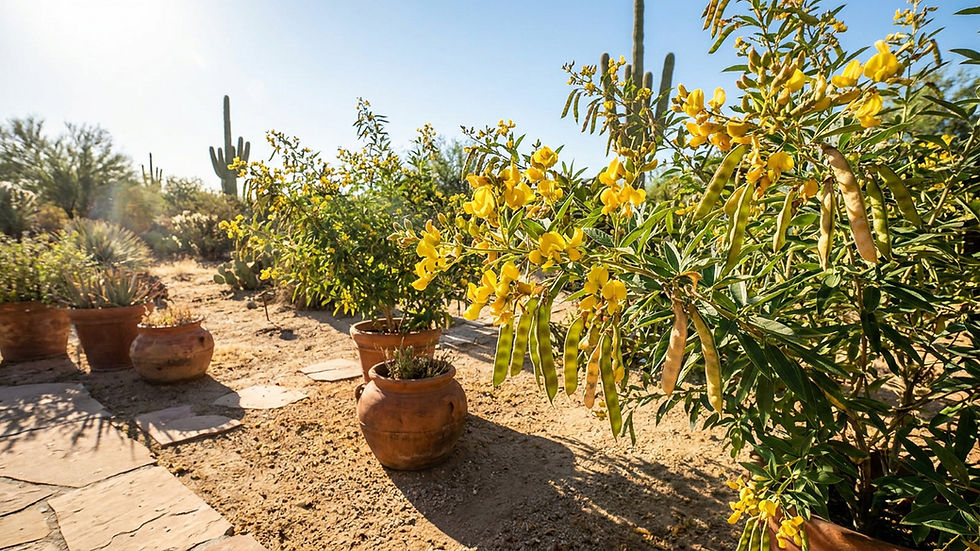
Comic Break: Pods, Greens, and a Woody Comeback

If you’ve only met pigeon peas as a dried pantry pulse, grow a couple of short-season plants this warm season. The green pods and tips earn the bed space first—and a mild winter might hand you a woody encore.
A Simple Season Plan for the Low Desert
1. Choose seed with a clear goal—green pods first, tips always, dry seed as bonus—and label plants. 2. Sow or transplant into warm, amended, well-drained full-sun soil after nights are mild. 3. Space generously, mulch once sturdy, and water deeply while plants establish. 4. Stake or site out of the worst wind; keep aphids and mites from camping on tips. 5. Harvest green pods often; cook tips like spinach; leave some pods to dry if you want seed or pantry peas. 6. After frost risk next spring, cut damaged wood and decide whether to keep survivors or start fresh.
Saving Seed and Planning Next Year
If a plant performs—steady pods, good flavor, manageable height—let a few pods mature fully dry for seed. Finish drying indoors if monsoon humidity returns, then store cool and dry in a labeled jar with sow date and first pod date. Rotate legumes in small beds if soil pests showed up. Keep aggressive squash from smothering the base.
Final Thoughts
Pigeon peas will not replace every snap bean in an Arizona garden, but they earn a warm-season bed when I want a legume that uses heat instead of fighting it. Start with a couple of short-season plants, give them sun and deep water while they establish, and keep a colander ready for green harvests. Once you’ve simmered peas that shrugged off a June afternoon and wilted tips into eggs, the tropical pitch starts sounding practical—pods and greens now, maybe a woody comeback later.


Comments