


Growing Amaranth in Arizona Heat: Leafy Greens and Tiny Grains

Amaranth is one of those dual-purpose plants that feels almost sneaky in Arizona: you eat the young leaves like spinach when the heat is still building, then let a few plants bolt into dramatic seed heads that dry into tiny grains. It loves warmth, shrugs off summer in a way lettuce never will, and looks flashy enough that neighbors ask what the purple hedge is. This is my practical low-desert guide—varieties, timing, soil, water, leaf harvest, grain threshing basics, kitchen uses, pests, and containers versus beds.
Why Amaranth Belongs in a Hot Arizona Garden

Amaranth is an ancient crop grown for both greens and grain across warm climates. The leaves are mild when young—think spinach with a softer bite and less bitterness than mature chard. The seeds are tiny, protein-rich, and gluten-free; they cook into soft porridge or toast into a crunchy topping. One planting can feed you leafy bowls for weeks and still leave a few trophy seed heads for grain.
Arizona’s long warm season is the gift. Amaranth wants heat to grow fast and stay productive. Our low-desert summers deliver that in abundance. The challenges are cold spring soil if you rush, wind that shreds soft seedlings, and inconsistent water that makes leaves tough and bitter. Give them sun, decent soil, and steady moisture, and they behave like enthusiastic summer greens with a grain encore.
From sow or transplant to first leaf harvest can be as little as 3–5 weeks in heat. Grain often needs 90–120 days until seed heads are dry enough to thresh. Start early enough that leaves fill the kitchen in late spring, then decide which plants you’ll leave for seed.
Varieties: Leaf Types, Grain Types, and the Pretty Ones
Not every packet is the same crop in practice. Some amaranths are bred for tender leaves, some for heavy seed heads, and some for ornamental color that still tastes fine when young.
Leaf-focused types: Look for names aimed at greens—*callaloo*, Chinese spinach, or leafy *Amaranthus* mixes. Keep cutting so leaves stay tender. Color ranges from bright green to deep red and burgundy. Young leaves go anywhere spinach goes; older leaves belong in soups and sautés.
Grain types: These put energy into tall seed heads. Plants can reach 4–6 feet in good soil, with upright plumes or drooping cascades in cream, gold, red, or burgundy. If your goal is pantry jars, give them room and don’t strip every leaf.
Ornamental / dual-purpose: Red-leaf and tricolor types look like landscape plants and still eat well young. Taste a tiny leaf first on anything labeled ornamental only—some breeding prioritizes color over tenderness.
For a first Arizona season I plant two jobs: a leafy patch I cut hard, and two or three grain plants I mostly leave alone after early thinning harvests. That split keeps dinner coming without sabotaging seed.
When to Plant in the Low Desert
Amaranth hates cold, wet starts. Seed germinates best in warm soil—think 65–75°F and climbing. In the low desert I direct sow after frost risk drops—often late March into April, or later if spring is cool. Higher elevations wait until soil truly warms.
Transplants work if you start indoors 3–4 weeks ahead and harden off carefully—Arizona spring sun bleaches soft greenhouse leaves fast. I still direct sow more often because germination is quick once soil is warm. For continuous greens, sow a short row every 2–3 weeks through late spring. Midsummer sowings still work for leaves if you water consistently; late grain may not finish before cool nights.
Plant seed ¼ inch deep, keep the surface moist until sprouts show, then thin. For leafy harvests, thin to about 6–12 inches apart. For grain plants, give 18–24 inches or more. Full sun is the goal—six or more hours. Light afternoon shade from a patio sail can help during brutal west-wall June heat if mornings are bright.
Soil, Sun, and Water in Real Heat
Soil should drain well with decent organic matter—not swampy clay and not pure sand with zero compost. Raised beds help where caliche or compaction is a problem. Lean desert dirt benefits from compost at planting, but too much nitrogen grows floppy leaves, aphids, and weaker seed set. I mix in compost and side-dress lightly only if leaves pale while growth stalls.
Deep, steady moisture beats daily misting. Young seedlings need the top inch kept from baking. Established plants like a thorough soak every few days in hot, dry spells depending on soil and wind. Pots dry faster—check by finger and weight. Water in the morning when you can. Don’t swing from bone-dry weeks to flood irrigations; that makes bitter leaves and stalled growth.
During monsoon stretches, watch drainage and empty saucers under pots. Mulch after seedlings are sturdy—a couple inches of organic mulch cuts evaporation. Keep mulch slightly back from stems. Arizona water can be alkaline and salty; flush pots occasionally with a deep run that exits drainage holes.
Containers Versus In-Ground Beds
Beds are best for grain plants and big leafy hedges. Tall seed heads can snap in monsoon gusts if stems are soft from overwatering—stake a few if your yard is a wind tunnel.
Containers are excellent for leafy types on a patio. Use at least a 5-gallon pot per plant with excellent drainage. Fabric pots breathe well in heat. Grain in containers is a fun experiment more than a pantry project. Move pots out of reflected west-wall heat if leaves crisp even when soil is moist; morning sun plus bright late-afternoon shade often looks better than all-day pavement bounce.
Harvesting Leaves Young (and Often)
Pick young. I harvest when leaves are still tender and glossy—often 3–6 inches long. Pinch or cut outer leaves and tender tips so the plant keeps producing. Check every couple of days in peak summer; heat makes growth jump overnight.
Kitchen habits I repeat:
- Rinse well—fine grit loves textured leaves
- Sauté with garlic and onion like spinach
- Stir into eggs, quesadillas, or pasta at the end
- Add to soups and dals where it softens quickly
- Mix very young raw leaves into salads if the variety tastes mild
Taste before you commit a whole colander. Heat-stressed or older leaves can turn stronger; a squeeze of lemon or splash of vinegar helps. Fully mature tough leaves are better cooked long or composted. Keep picked leaves out of noon sun on hot concrete—shade the bowl.
Grain Harvest and Threshing Basics
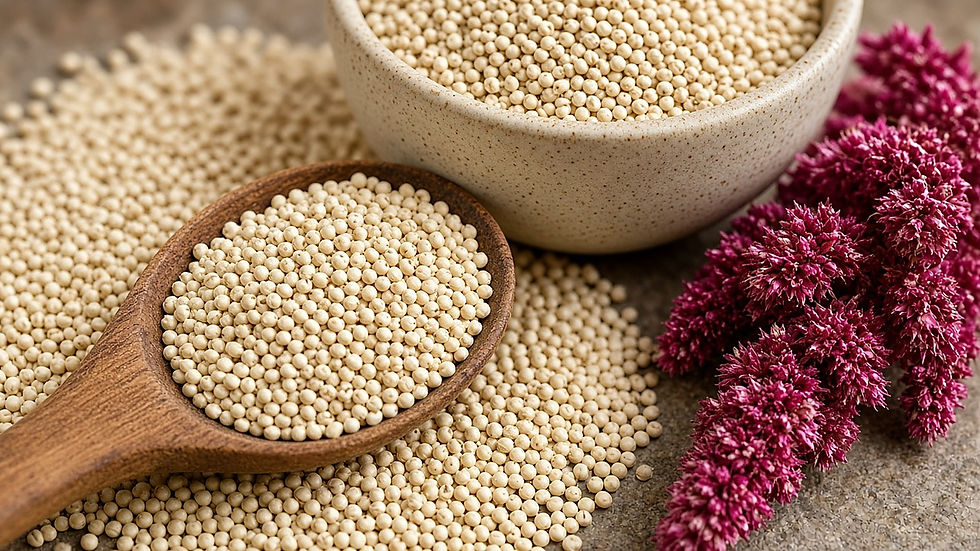
Leave grain candidates until seed heads dry and seeds rub free easily between your fingers. Heads often shift from green to cream, gold, or deep red-brown. Birds will notice before you do. If finches are throwing a party, cut heads a little early and finish drying indoors on screens or paper in a warm, airy spot.
Threshing without fancy gear: 1. Cut dry heads into a clean bucket or onto a sheet. 2. Rub, shake, or tread gently to knock seeds loose. 3. Winnow in a light breeze or in front of a box fan—blow chaff away while heavier seed falls into a tray. 4. Screen if you have mesh; otherwise pick out stem bits by hand. 5. Dry seed fully before jar storage so it doesn’t mildew.
A few backyard plants won’t replace a bulk bag from the store, but they will give you toasted grain for yogurt, porridge breakfasts, and the satisfaction of a crop that started as a leafy green. Save seed only from open-pollinated plants you liked—amaranth can cross, so expect some mix if neighbors grow ornamental types nearby.
Kitchen Uses Beyond “Steam It”
Young leaves go anywhere spinach goes—beans, scrambles, savory hand pies. For grain, rinse, then simmer about 1 cup seed to 2–2½ cups water until soft; taste as you go. Toast dry seed in a skillet until it pops lightly for a crunchy topping. Popped amaranth burns fast—stay at the pan. Texture is softer than quinoa for me, with a mild, slightly nutty flavor. Season simply: salt, olive oil, herbs, or a fried egg on top.
Pests, Heat Stress, and Common Problems
Aphids love tender tips—blast with water or use insecticidal soap early. Leaf miners and flea beetles can pock leaves; healthy plants usually outgrow cosmetic damage. Watch for caterpillars on new growth. Heat stress shows as midday wilt with moist soil, scorched edges, or bitter leaves—mulch, morning water, and a bit of afternoon shade help. For leafy patches, keep cutting tips and succession sow so you’re not stuck with only tough flowering stems. Damping-off kills crowded, cold, wet seedlings—warm soil and airflow matter. In monsoon humidity, remove badly spotted leaves and water soil, not foliage, when you can.
Mistakes I See (and Have Made)
Eating them tough. Urgency for greens; patience for grain.
Sowing into cold soil. Seed sits, rots, or sprouts weakly.
Treating them like cactus. Heat yes; drought forever no.
Overfeeding nitrogen. Soft leaf mountain, weak seed later.
Crowding grain plants. Tall stems need elbow room.
Tiny pots on a west patio. A 1-gallon nursery pot in June is a stress experiment.
Ignoring birds at seed time. Net, harvest early, or share.
Comic Break: Leaves First, Grain Later

If you’ve only met amaranth as a fancy salad mix leaf or a health-aisle grain, grow one colorful plant this warm season. The leaves earn the bed space first—and the tiny seeds are the encore when summer stretches long.
A Simple Season Plan for the Low Desert
1. Choose leaf types, grain types, or a mix—and label which is which. 2. Direct sow into warm, amended, well-drained full-sun soil after frost risk, or set out hardened transplants. 3. Thin for airflow; mulch once seedlings are sturdy; water deeply and steadily. 4. Harvest young leaves often from the cutting patch; leave grain plants mostly alone after early thinnings. 5. Cut dry seed heads, thresh, winnow, and store fully dry seed. 6. Compost spent stalks after frost or when production fades, and note which colors and habits you want again.
Final Thoughts
Amaranth won’t replace every salad green in an Arizona garden, but it earns a warm-season strip of mine every year. The plants handle our heat, the young leaves are genuinely useful in the kitchen, and the grain feels like a prize you grew instead of bought. Start a short row for greens, leave a couple of plants for seed heads, and keep a colander ready for tender harvests. Once you’ve sautéed leaves that shrugged off a June afternoon and toasted a spoonful of homegrown seed, the dual-purpose pitch stops sounding niche and starts sounding practical.
If you’re already growing heat-loving greens like Malabar spinach or chasing summer herbs that don’t bolt into mush, you’ll recognize the warm-season energy—then be surprised how far one crop can stretch from skillet to pantry jar. That’s the whole appeal: familiar leafy harvests, unexpected grain payoff, built for Arizona heat.

Comments