


Growing Okra in Arizona Containers: Thriving in the Desert Heat
- Adam Raymond

- Jun 13
- 6 min read

If there's a vegetable that was born for Arizona summers, it's okra. Few plants on earth are as heat-tolerant, productive, and genuinely unbothered by temperatures that routinely exceed 110°F in the Phoenix metro area. While other vegetables drop their blossoms, wilt, and struggle through our summers, okra plants just keep growing taller, flowering profusely, and delivering a continuous harvest of tender pods day after day from June through October. And the best part? Okra grows beautifully in containers, making it accessible to apartment dwellers, renters, and anyone with a patio or balcony and the desire to garden.
Okra (Abelmoschus esculentus) is a member of the mallow family, related to hibiscus and cotton. It's native to West Africa and has been grown in the American South for centuries, where its heat tolerance and productivity made it a staple crop. In Arizona, those same qualities that made it beloved in Alabama and Georgia make it ideal for our conditions. The plants are ornamental as well as productive — they can grow four to six feet tall, with large lobed leaves and beautiful pale yellow flowers with dark burgundy centers that look strikingly similar to hibiscus blooms. A row of okra plants in containers along a fence or wall makes a dramatic and productive living wall. This guide will walk you through growing okra in containers in Arizona from seed selection to harvest.
Okra Variety Selection for Container Growing
Traditional okra varieties can grow quite large — five to seven feet tall in the ground — which can be challenging to manage in containers. For container growing, compact or dwarf varieties are ideal. Cajun Jewel is a compact variety that stays under four feet and produces prolifically. Baby Bubba Hybrid is another excellent compact choice, growing just two to three feet tall with pods that are tender even at larger sizes. Jambalaya is a productive compact variety well-suited to containers. For growers with more space and larger containers, the traditional Clemson Spineless variety performs excellently in Arizona heat.
Beyond green okra, consider trying some of the specialty varieties available from seed companies. Red Burgundy okra produces beautiful deep red pods on red-stemmed plants that are as ornamental as they are edible. Louisiana Long Pod and Perkins Long Pod are tall, traditional varieties with exceptional flavor. Star of David is a stunning heirloom with wide, ribbed pods. These specialty varieties can be harder to find as transplants, so starting from seed is often the route for adventurous growers.
Container Selection for Arizona Okra
Okra develops a deep taproot and appreciates container depth as much as width. A minimum 5-gallon container works for compact varieties, but 10 to 15 gallons is much better for standard varieties. Choose containers that are at least 12 inches deep. Tall, narrow containers actually work quite well for okra because they accommodate the taproot and have a smaller footprint — useful for lining along fences or walls.
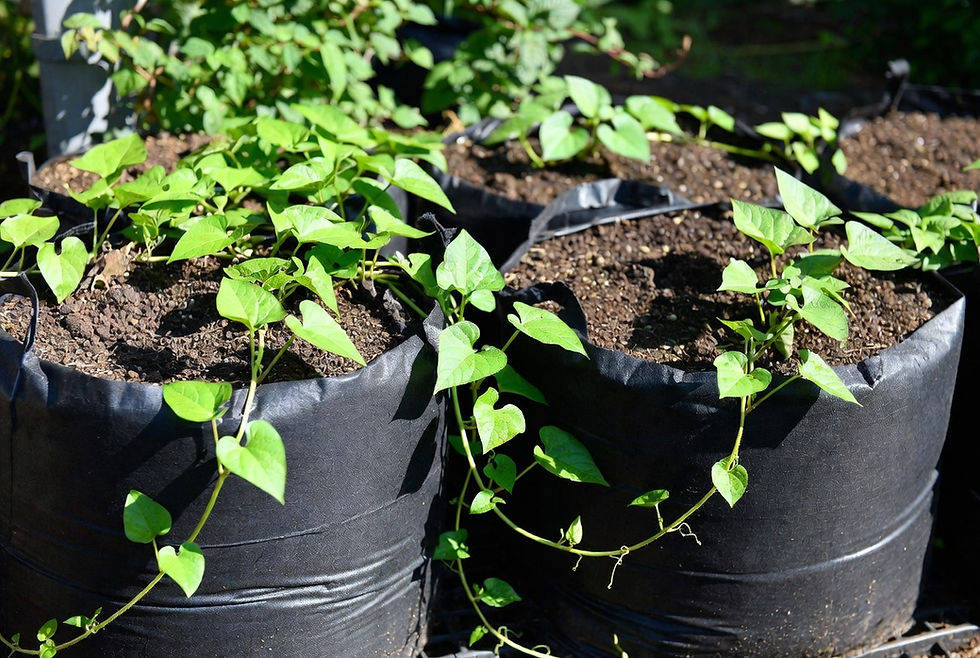
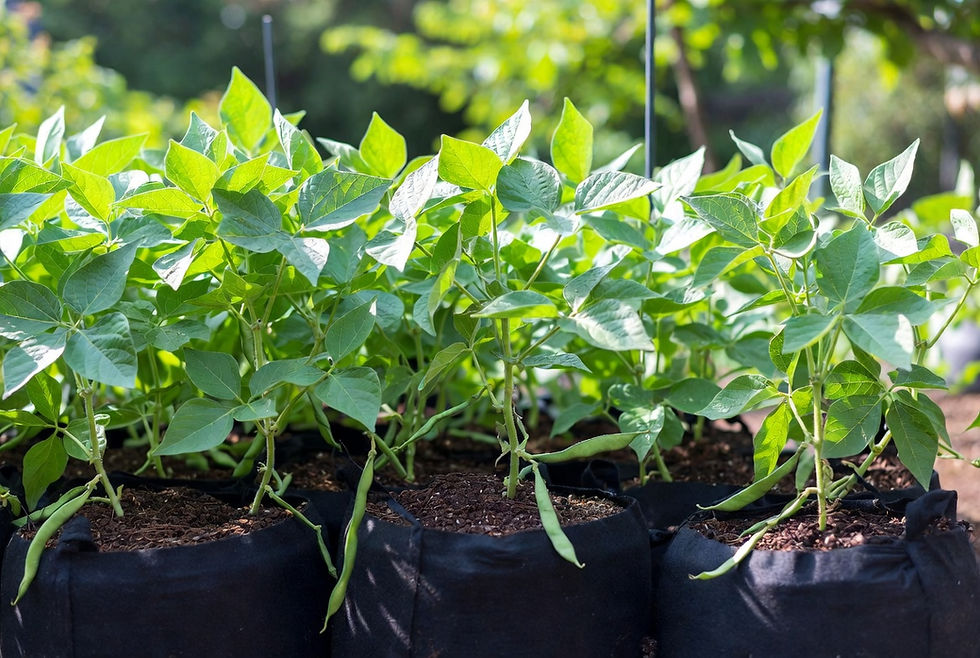
As with all Arizona container gardening, container color matters. Light-colored or white containers reflect heat and keep root zone temperatures lower. Dark containers absorb heat and can cook roots on a hot Arizona summer afternoon. Fabric grow bags are an excellent choice — they're well-draining, air-permeable, and much cooler than solid containers. Place containers where they receive full sun (okra needs at least 6–8 hours of direct sun daily for best production) but consider whether there's any opportunity for afternoon shade from a fence or structure to reduce heat stress during the most extreme temperature periods.
Soil Mix and Planting Okra from Seed
Okra prefers a well-draining, loamy soil with good fertility. For Arizona containers, use a mix of 40% premium potting soil, 30% perlite, 20% compost, and 10% coarse sand. Okra is somewhat tolerant of Arizona's typically alkaline conditions, more so than most vegetables, but a pH in the 6.0 to 6.8 range is still ideal for maximum production and nutrient availability.
Okra is best started directly from seed in the container where it will grow — it develops a taproot quickly and dislikes transplanting. Soak seeds overnight in warm water before planting to soften the hard seed coat and improve germination. Plant seeds 1 inch deep, two or three per container, and thin to the strongest seedling once established. In Arizona's warm soil, germination typically occurs within 7 to 12 days. Plant from mid-March through July in Arizona for reliable summer production. A July planting can still produce a substantial fall harvest before the first frost in November or December.
Watering Okra in the Arizona Desert
Okra is more drought-tolerant than most garden vegetables, but container-grown okra still needs regular, consistent watering to produce its best. The taproot, once established, can reach deep into the soil for moisture in the ground, but in a container it's limited to the volume of your pot. During peak summer heat, water container okra daily and ensure water penetrates the entire root zone.
One of the remarkable things about okra is that it actually handles brief water stress relatively well without dropping blossoms — something tomatoes and peppers simply won't do. If you miss a watering and your okra wilts slightly, it will typically recover quickly once watered. That said, consistent moisture produces the best quality pods and the highest yields. Mulch the top of your container with an inch of straw or wood chips to dramatically reduce moisture evaporation and keep root zone temperatures manageable during extreme heat events.
Fertilizing Container Okra
Okra is a moderate feeder that benefits from a good start and regular supplementation throughout the season. Mix a balanced slow-release granular fertilizer into your container soil at planting time. Once the plant is established and begins flowering, switch to a liquid fertilizer every two to three weeks. Okra responds well to phosphorus during flowering and fruiting, and potassium improves overall plant health and stress tolerance.
Avoid excessive nitrogen feeding with okra — too much nitrogen produces beautiful, lush foliage but significantly reduces pod production. This is a common mistake: over-fertilized okra plants look spectacular but bear few pods. Aim for a balanced approach with a slight shift toward phosphorus and potassium once the plant begins producing pods. Compost tea or fish emulsion every two to three weeks is a gentle, balanced approach that works well for container okra.
Managing Pests and Challenges
Okra is one of the most pest-resistant vegetables you can grow in Arizona, which is one of many reasons it's so well-suited to our conditions. Spider mites can attack okra during dry, hot conditions, but established plants are much more tolerant of mite pressure than most vegetables. Aphids may cluster on tender new growth — a strong water spray or insecticidal soap controls them. Stink bugs and leaf-footed bugs are attracted to okra pods in some parts of Arizona; hand-pick these large bugs in the morning when they're slow, or use row cover on younger plants.
The okra plant itself has tiny spines on its stems and leaves (except in 'spineless' varieties) that can irritate sensitive skin. Always wear gloves and long sleeves when harvesting. Many gardeners who initially found the spines off-putting come to appreciate them as a natural pest deterrent — grasshoppers and other chewing insects often avoid spiny plants.
Harvesting Okra: The Daily Duty
Harvesting okra at the right size is critical for quality. Pods grow very rapidly in the Arizona summer heat — a pod that is 3 inches long today may be 5 or 6 inches long tomorrow. Okra pods are at peak quality when they are 2 to 4 inches long and still tender. Left longer, they become fibrous, tough, and essentially inedible. This means daily harvesting is necessary during peak production season — which is exactly what you'll want to do once you see how productive container okra can be.
Use clean, sharp pruners or scissors to cut pods from the plant, leaving a short stem attached. Wear gloves to protect against the tiny spines. Check every single pod on the plant during each harvest — it's easy to miss one that hides among the large leaves, and a single overlooked large pod signals the plant to slow production. Fresh okra keeps for two to three days in the refrigerator. It can also be blanched and frozen for later use, pickled, dehydrated, or incorporated immediately into meals.
Pro Tips for Arizona Container Okra
Harvest every single day during peak season — missing a day means overgrown, tough pods and reduced production.
Top-dress containers with compost mid-season to replenish nutrients in what is typically a six-plus month growing window.
If your okra plant grows very tall for your container space, pinch the growing tip to encourage branching and more compact growth.
Try pickling small whole okra pods — they're a delicious and classic Southern preparation that also makes great gifts.
Okra seeds can be saved easily for next year — allow a few pods to fully mature and dry on the plant, then collect the seeds.
The flowers of okra are edible and beautiful — they can be stuffed like squash blossoms or used as a garnish.
Try grilling okra on skewers with olive oil and seasoning instead of frying — it's a revelation for okra skeptics.
Okra is the unsung hero of the Arizona container garden — productive, ornamental, heat-tolerant, and delivering a harvest through the very months when most gardens have shut down. Once you grow it successfully in a container on your Arizona patio, it will earn a permanent spot in your garden plan every year. Give it good sun, regular water, and daily harvesting attention, and it will reward you with a season-long bounty of one of the American South's most beloved vegetables.

Comments