


Growing Tomatoes in Containers in Arizona: The Complete Desert Gardener's Guide
- Adam Raymond

- Jun 13
- 8 min read
If there's one vegetable that Arizona container gardeners obsess over, it's the tomato. Few things in life are as satisfying as walking out to your patio, pulling a sun-warmed, perfectly ripe tomato off the vine, and biting into it right there in your backyard. But growing tomatoes in Arizona containers is not quite the same as growing them in Ohio or Oregon. The desert Southwest presents a unique set of challenges — extreme heat, low humidity, alkaline soils, and punishing UV intensity — that require a different approach entirely. This guide will walk you through everything you need to know to grow incredible container tomatoes right here in the Valley of the Sun.
Arizona has two tomato seasons, not one — and understanding this is the single most important thing you can take away from this guide. Most Arizona gardeners plant tomatoes in late January through March for a spring crop, and again in late July through August for a fall crop. The brutal summer months of June through August are simply too hot for tomatoes to set fruit (they drop their blossoms when temperatures exceed 95°F), so attempting a summer crop is largely an exercise in frustration. Work with Arizona's climate by targeting those two productive windows, and you'll be rewarded with impressive harvests.
Choosing the Right Tomato Variety for Arizona Containers
Not all tomatoes are created equal when it comes to Arizona heat tolerance, and variety selection is critical for container success. Larger beefsteak varieties are beautiful but often struggle in containers and in intense heat. For Arizona container growers, smaller and mid-size varieties tend to outperform. Celebrity, Heatmaster, Phoenix, and Sweet 100 cherry tomatoes are excellent choices. Heatmaster in particular was developed specifically for hot climates and can set fruit at temperatures that would cause other varieties to drop their blossoms. Solar Fire is another heat-tolerant variety worth seeking out at local nurseries.
For container growing specifically, look for varieties labeled as 'determinate' or 'compact' — these grow to a defined size and stop, making them much easier to manage in pots. Patio, Bush Early Girl, and Tumbling Tom (which even works in hanging baskets) are great compact options. Indeterminate varieties like Big Boy will keep growing and growing, requiring larger containers, robust staking, and more frequent fertilizing, but they can still work if you're committed to the extra maintenance.
Container Selection: Size Matters More Than You Think
In Arizona's heat, the size of your container is not just about plant growth — it's about root zone temperature management. Larger containers hold more soil volume, which means roots stay cooler longer and moisture doesn't evaporate as quickly. For tomatoes, go big. A minimum of 5 gallons is acceptable for compact varieties, but 10 to 15 gallons is ideal for most standard-sized tomatoes. For indeterminate varieties, a 20-gallon container or even a half wine barrel gives you the best shot at a long productive season.
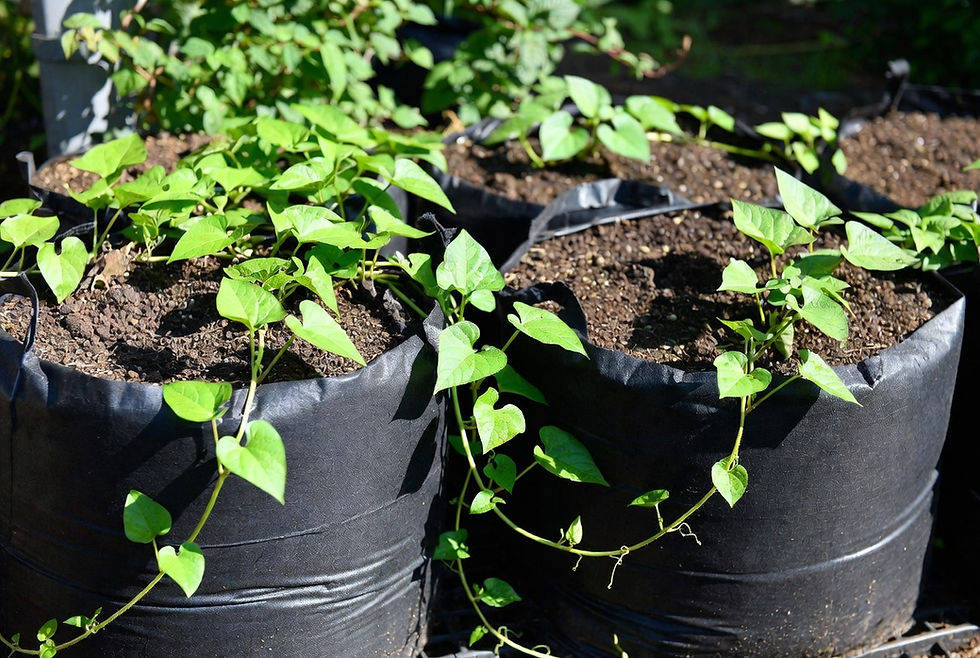
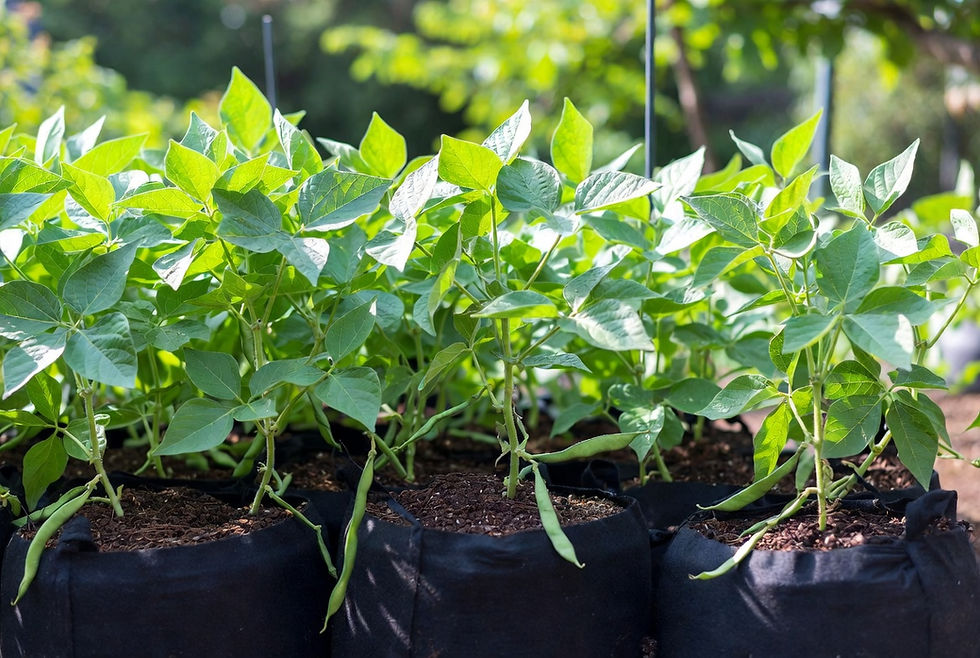
Container material also matters in the Arizona sun. Black plastic pots can heat soil to temperatures exceeding 130°F in direct afternoon sun — that's hot enough to cook roots and kill beneficial soil organisms. Choose light-colored containers, glazed ceramic pots, fabric grow bags, or double-walled containers whenever possible. Fabric grow bags are particularly popular with Arizona gardeners because they are air-permeable (which prevents root circling and promotes air pruning), naturally regulate temperature, and drain excellently. A white or tan fabric grow bag in a 15-gallon size is arguably the best tomato container you can use in our climate.
The Perfect Soil Mix for Arizona Container Tomatoes
The soil you use in your container tomatoes will make or break your season. Arizona's in-ground soil is typically alkaline, heavy, and clay-dominant — terrible for containers. But even standard commercial potting mixes can fall short in our extreme heat. The ideal Arizona container tomato mix is one that drains well, retains enough moisture to buffer against rapid drying, and has a slightly acidic to neutral pH.
A reliable mix to use: 40% premium potting mix (Fox Farm Ocean Forest or similar), 25% perlite, 20% coco coir, and 15% compost or worm castings. This combination provides excellent drainage to prevent root rot during our monsoon rains, retains enough moisture to reduce watering frequency, and delivers a solid foundation of nutrients. Avoid straight garden soil or heavy mixes with a lot of peat — peat becomes hydrophobic when dry, which is a constant risk in Arizona summer heat.
At planting time, mix in a slow-release granular fertilizer formulated for tomatoes (look for one with elevated phosphorus for root development and calcium to prevent blossom end rot). You can also add a tablespoon of garden lime to help buffer pH and provide calcium. Top dress your container with a one-inch layer of mulch — straw, wood chips, or even decorative gravel — to dramatically reduce surface evaporation and keep roots cooler.
Planting Your Container Tomatoes
Tomatoes are one of the few vegetables that benefit from being planted deeply. When transplanting a tomato start, remove the lower two-thirds of the leaves and bury the stem up to that point. Tomato stems will sprout roots along any buried section, creating a much more extensive and robust root system. This is especially valuable in containers where root space is limited.
For spring planting, time your transplant so the last frost date has passed (typically mid-February in the Phoenix metro area) and you're getting your plants in the ground no later than mid-March. For fall planting, start seeds indoors in mid-July and transplant in mid-August. Starting from seed rather than purchasing starts for the fall crop gives you more variety options and gets you going at the right time, since most nurseries aren't stocking tomato starts in July.
Watering Tomatoes in Arizona Heat
Consistent, deep watering is the single most important factor in Arizona tomato container success. Inconsistent moisture leads to blossom drop, blossom end rot, cracked fruit, and stressed plants that are vulnerable to pests and disease. In peak summer temperatures, a 15-gallon container with a mature tomato plant may need watering every single day — sometimes twice a day during an extreme heat event.
The best time to water is early morning, ideally before 7 AM. This allows the plant to uptake water before the heat of the day and lets foliage dry before evening (wet foliage overnight promotes fungal disease). Watering in the evening is acceptable, but avoid getting the leaves wet. Never water in the afternoon heat — the rapid evaporation is wasteful and can actually steam the roots in an overheated container.
Drip irrigation or a soaker system set on a timer is highly recommended for container tomatoes in Arizona. Not only does it ensure consistent moisture delivery, but it frees you from the daily watering routine during vacations or busy weeks. A moisture meter is a worthwhile investment as well — stick it into the soil six inches deep, and water when it reads in the 'dry' zone. Don't rely on the top inch of soil as a guide; Arizona sun can dry the surface while the bottom of the container is still adequately moist.
Fertilizing for a Productive Harvest
Container tomatoes are heavy feeders, and the frequent watering required in Arizona flushes nutrients out of the container faster than in-ground plants. A balanced fertilizing routine is essential. Start with the slow-release granular fertilizer mixed into your soil at planting. Once flowers appear, switch to a liquid fertilizer high in potassium and phosphorus (lower nitrogen) to support fruit development rather than leafy growth. Fish emulsion, tomato-specific liquid fertilizers, and compost teas are all excellent options. Feed every two weeks during the growing season.
Calcium deficiency is particularly common in Arizona container tomatoes and manifests as blossom end rot — a dark, sunken spot on the bottom of developing fruit. Prevent this by ensuring consistent moisture (calcium uptake is tied to water uptake), adding lime or gypsum to your soil mix, and using a calcium-magnesium supplement in your liquid feeding routine. If you see blossom end rot developing, a foliar spray of calcium chloride solution can help slow its progression.
Managing Pests and Disease in the Arizona Garden
Arizona's dry heat actually helps with many of the fungal diseases that plague tomato growers in humid climates. Powdery mildew can appear late in the season when day-to-night temperature swings increase, but it's rarely devastating. Spider mites, however, absolutely thrive in hot and dry conditions and are the number one pest threat to Arizona container tomatoes. Check the undersides of your leaves regularly for the tell-tale fine webbing and tiny moving dots. A strong spray of water on the undersides of leaves, neem oil applications, or insecticidal soap sprays can keep them under control.
Aphids, whiteflies, and tomato hornworms are also common in Arizona gardens. Hornworms are large and easy to spot and hand-pick. For aphids and whiteflies, insecticidal soap is effective and safe for edible plants. Introduce beneficial insects by planting companion plants like basil, marigolds, and dill near your containers — these attract ladybugs and lacewings that feast on aphids.
Harvesting and Enjoying Your Tomatoes
Most container tomato varieties are ready to harvest 60 to 85 days after transplanting, depending on the variety. The best indicator of ripeness is color — a fully ripe tomato will have reached its mature color (red, yellow, orange, or purple depending on variety) and will give slightly when gently squeezed. Don't wait for the perfect red color in Arizona; tomatoes can actually stop developing color when temperatures exceed 95°F. If you see large, mature-sized green tomatoes and a heat spike is coming, pick them and ripen them indoors on a countertop — never in the refrigerator, which destroys flavor and texture.
Harvest regularly to encourage continued fruit production. Leaving ripe or overripe tomatoes on the vine signals the plant to slow down production. In a productive container, you may be picking tomatoes every two to three days at the peak of the season. Share with neighbors, make fresh salsa, sun-dry them on a screen in the Arizona heat, or freeze them whole for winter soups and sauces.
Pro Tips for Arizona Container Tomato Success
Shade cloth rated at 30–40% can extend your spring season by several weeks when temperatures start to climb in May.
White reflective mulch on top of your container can reduce soil temperature by up to 10°F during peak summer heat.
Blossom set spray (containing cytokinin) can help tomatoes set fruit during marginal temperature conditions.
Plant marigolds in or near your tomato containers to deter nematodes and many common pests.
Rotate your container's position seasonally — morning sun and afternoon shade is ideal for spring and fall crops.
Keep a garden journal tracking your planting dates, varieties, and harvest yields to dial in your timing year after year.
If your leaves curl upward during the afternoon heat, don't panic — this is a natural heat stress response and the plant will recover in the cool of evening.
Pinch off suckers (the small shoots that emerge in the crotch between the main stem and a branch) on indeterminate varieties to focus energy on existing fruit.
Growing container tomatoes in Arizona is one of the most rewarding things you can do as a desert gardener. Yes, it requires attention to detail and an understanding of our unique climate. But when you bite into that first ripe, homegrown tomato — warm from the sun, bursting with flavor that no grocery store can match — you'll know it was worth every drop of water and every early morning watering session. Happy growing, and welcome to the addictive world of Arizona container tomato gardening!

Comments