


Hassayampa River Preserve in Wickenburg: Cottonwood Shade, Birding and Easy Fall Trails

Most of the Sonoran Desert feels dry underfoot. Then you drop into the Hassayampa River Preserve near Wickenburg and the air changes. Cottonwoods and willows throw real shade. Water shows itself on the surface. Birds move through the canopy like they own the place. On a fall morning it is one of the easiest ways I know to remember that Arizona has more than saguaros and parking lots.
This guide is for a simple day trip: where the preserve is, who runs it now, current seasonal hours from Maricopa County Parks, what the trails are like, birding notes, fees, the no-pets rule, and how I usually time a visit from Phoenix. I stick to official Maricopa County Parks and Nature Conservancy information and link those pages so you can re-check before you go.
Official pages to confirm details:
Where It Is and Who Runs It
The preserve sits at 49614 U.S. Hwy 60/89, Wickenburg, AZ 85390. Maricopa County Parks lists the phone as (602) 506-2930 ext. 9.
For more than twenty-five years this was a Nature Conservancy preserve. The Conservancy's page explains that in 2017 Maricopa County Parks and Recreation became a partner and part owner, with the Conservancy staying involved in conservation monitoring. Day-to-day visitor information now lives on the Maricopa County Parks site. If you grew up calling it "the Nature Conservancy place outside Wickenburg," you are not wrong about the history. You just need the county pages for today's hours and fees.
Why the River Feels Magical Here
Along most of its roughly 100-mile course, the Hassayampa River stays underground. Inside the preserve, water emerges and flows on the surface year-round. That creates a riparian corridor of cottonwood-willow forest and mesquite bosque, habitats the Conservancy notes are among the rarest and most threatened in North America. Their page estimates that about 90% of these wet desert landscapes have been lost, damaged, or degraded in the last century, and that a huge share of Arizona wildlife depends on what remains.
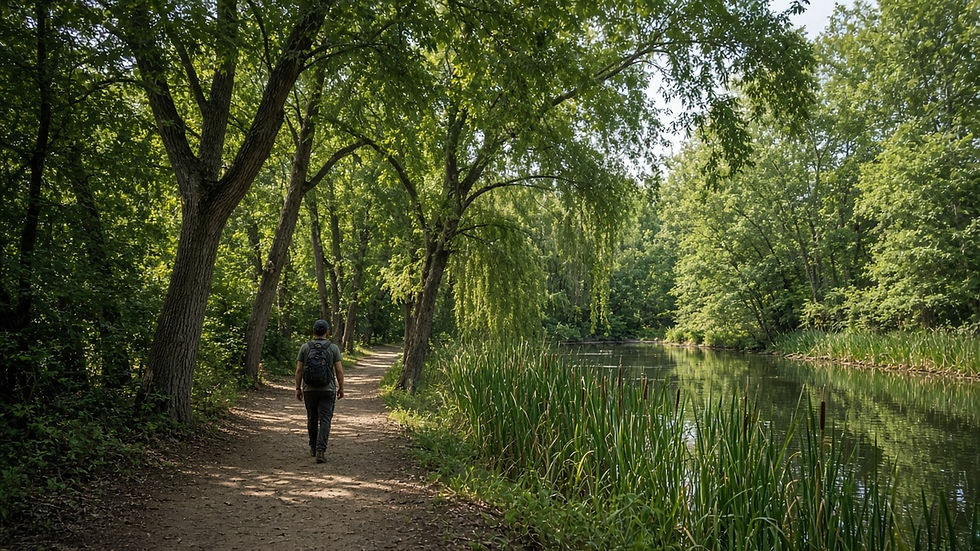
You feel that rarity as soon as you walk in. The light is softer. The temperature drops under the canopy. Even in October, when the low desert is still warming up by midday, the river corridor stays pleasant longer than an open trail.
Hours for Fall Visits (Confirm Before You Drive)
Maricopa County Parks publishes seasonal hours for Hassayampa:
May 1 through October 31: Open Wednesday through Sunday, 7:00 a.m. to 4:00 p.m. Trails close at 3:30 p.m.
November 1 through April 30: Open Wednesday through Sunday, 8:00 a.m. to 5:00 p.m. Trails close at 4:30 p.m.
Closed Monday and Tuesday on the schedule above. Visitor Center hours match park hours. That early 7:00 a.m. summer/fall open is a gift for birders and photographers. Trails closing thirty minutes before the gate matters if you tend to linger. Build your turnaround time so you are not hustling out of the cottonwoods at 3:25.
Always re-check https://www.maricopacountyparks.net/park-updates/ before you leave. Temporary trail closures and alerts show up there.
Fees and the No-Pets Rule
According to Maricopa County's fee listings for the preserve, conservation-area entry is $5.00 per person, with children 12 and under free. Pay at the preserve as directed on site. I am not inventing other ticket tiers here; if your annual pass situation is special, confirm on the county fees page before you go: https://www.maricopacountyparks.net/park-locator/hassayampa-river-preserve/fees/
Pets are not allowed in the preserve. County pages repeat this clearly. Leave dogs at home. This is a wildlife and habitat site, not an off-leash river romp.
Trails: Easy, Self-Guided, and Shaded
Maricopa County describes the trails as self-guided routes along lush river bottoms, across the floodplain, through cottonwood-willow forest and dense mesquite bosque. A loop around Palm Lake is part of the system, and waterfowl there are a major draw because you do not expect that many ducks in the desert.
Expect mostly easy walking with some uneven or sandy spots. Event write-ups for ranger programs often describe loops around a mile to a mile and a half using segments like Palm Lake Loop, Mesquite Meander, and River Ramble. You do not need technical gear. You do need closed-toe shoes. Soft sand, roots, and the occasional fire-ant reminder show up in visitor notes from birding groups, and sandals turn into regrets.
Bring more water than the shade makes you think you need. Restrooms and drinking water are available at the Visitor Center / parking area according to county program listings.
Birding: The Main Event for Many of Us
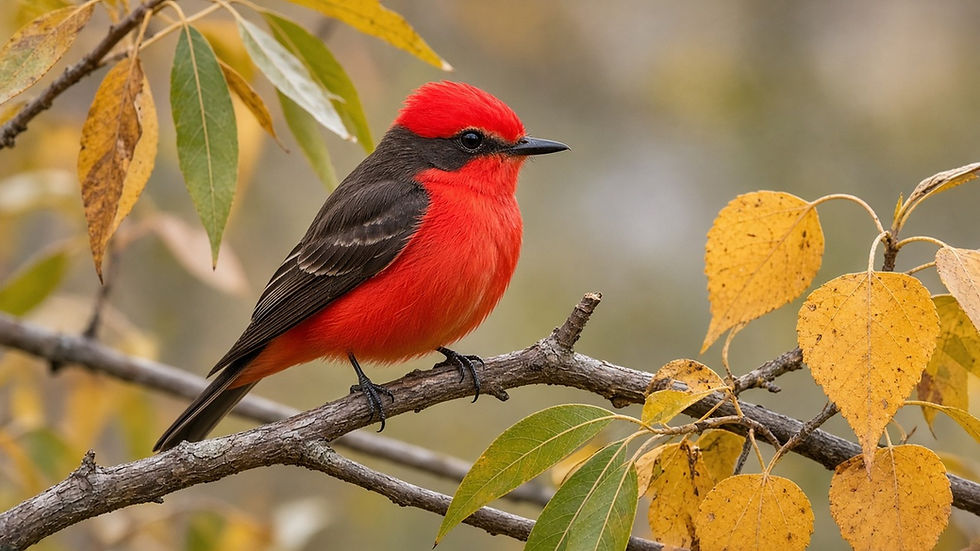
The county page highlights that you may see any one of about 280 bird species living, nesting, or migrating along the riparian corridor. Raptors perched on big trees and snags get special mention: zone-tailed hawk, black hawk, and Harris's hawk, with lucky looks at Mississippi kite or yellow-billed cuckoo. On a walk you might also catch vermilion flycatcher or Abert's towhee.
Fall migration makes October a strong month. Arrive near opening, walk slowly, and stop often. Binoculars help more than a long hike. If you want a guided intro, Maricopa County Parks lists programs such as beginning birders hikes and nature walks on the preserve events calendar. Registration limits apply on some of those, so check the listings.
I am not promising you a cuckoo. I am promising you a better-than-average chance at a birdy morning compared with a random desert trail.
What a Good Visit Looks Like
Confirm hours and any trail alerts the night before.
Arrive close to opening on a Wednesday through Sunday.
Pay the per-person fee, skip bringing pets.
Start with Palm Lake if you want waterfowl, then wander river and mesquite loops.
Pack out trash, stay on trails, and give wildlife space.
Leave time to be off-trail before the posted trail closing time.
Photography is excellent in early light when mist or cool air hangs low near the water. Midday is still prettier here than on an exposed bajada, but birds are quieter.
Driving Times (Approximate)
Label these as rough estimates:
From central Phoenix: often about 1 hour to 1 hour 15 minutes northwest toward Wickenburg, depending on where you start and traffic on the freeways feeding US 60.
From the West Valley: commonly under an hour.
From Tucson: a longer day trip, often around 2.5 to 3 hours each way; many Tucson folks pair Wickenburg with other stops rather than racing back.
Once you are near Wickenburg, follow county directions to the Hwy 60/89 entrance. Cell service can be uneven in spots, so download a map pin while you still have signal.
What to Pack
Keep it light:
Closed-toe shoes with decent tread
At least one liter of water per person, more if you are staying near trail-close time
Binoculars if you have them
Sun hat for the parking lot and Palm Lake edges
Light long sleeves for cool river mornings in late fall
Phone with the county park page saved offline
Skip speakers, drones, and the urge to bushwhack for a photo. The best images are usually from the trail edge anyway.
Seasonal Rhythm Through the Year
Late spring through early fall rewards early arrivals under the May–October 7:00 a.m. open. Winter and early spring stretch the day with the 8:00 a.m. to 5:00 p.m. schedule and cooler air that makes a slow birding pace easy. Monsoon season can rearrange sandbars and temporarily close trails after big water moves through. That is conservation working, not inconvenience. If the county posts a closure, swap your hike for downtown Wickenburg coffee and come back another week.
Wildflowers are not the headline here the way they are on open desert preserves. Birds, shade, and water are the headline. Come for those and you will leave happy.
Photography Tips Without Spooking Wildlife
Shoot with available light under the canopy rather than blasting a flash at songbirds. A short telephoto helps at Palm Lake. For cottonwood trunks and river reflections, morning side light is kinder than harsh noon. Stay low on the trail if you kneel for a foreground; do not crush bank vegetation for a better angle.
If a guided bird walk is on the calendar the day you visit, joining can teach you calls and silhouettes faster than wandering alone. Check registration limits on the Maricopa County events listings tied to the preserve page.
Pairing the Preserve With a Wickenburg Day
If you have half a day, the preserve alone is enough. If you have a full day, Wickenburg's small downtown is an easy add for lunch after you exit. Keep expectations modest: this is a habitat visit first, a tourist circuit second. I would rather linger another loop under the cottonwoods than rush a packed itinerary.
In hotter months, the 7:00 a.m. open and 3:30 p.m. trail close keep you honest about heat. In late fall and winter, the later open and close match cooler mornings. Dress in layers. River corridors run cooler than the parking lot.
Respect the Habitat
Riparian forests this intact are rare. Stay on designated trails. Do not wade off-trail through nesting areas. Do not drone over the canopy. Pack out everything you bring in. The Conservancy and county protect this place so the underground river can keep surfacing here. Visitors who treat it like a city park lawn put that at risk.
If trails are temporarily closed after floods or for management, believe the closure. Flashy water through a riparian corridor is powerful. There will be another Wednesday.
Quick Facts Card
Address: 49614 U.S. Hwy 60/89, Wickenburg, AZ 85390
Phone: (602) 506-2930 ext. 9
Fall hours (May 1–Oct 31): Wed–Sun 7 a.m.–4 p.m.; trails close 3:30 p.m.
Cool-season hours (Nov 1–Apr 30): Wed–Sun 8 a.m.–5 p.m.; trails close 4:30 p.m.
Fee: $5 per person; kids 12 and under free (confirm on county fees page)
Pets: not allowed
Vibe: easy shaded trails, serious birding, rare desert riparian forest
Hassayampa is the kind of place that recalibrates what you think Arizona hiking has to feel like. No summit required. Just cottonwood shade, moving water, and a quiet path where a vermilion flycatcher might steal the whole morning.



Comments