


Riparian Preserve at Water Ranch in Gilbert: Birds, Ponds and Easy Trails This Fall

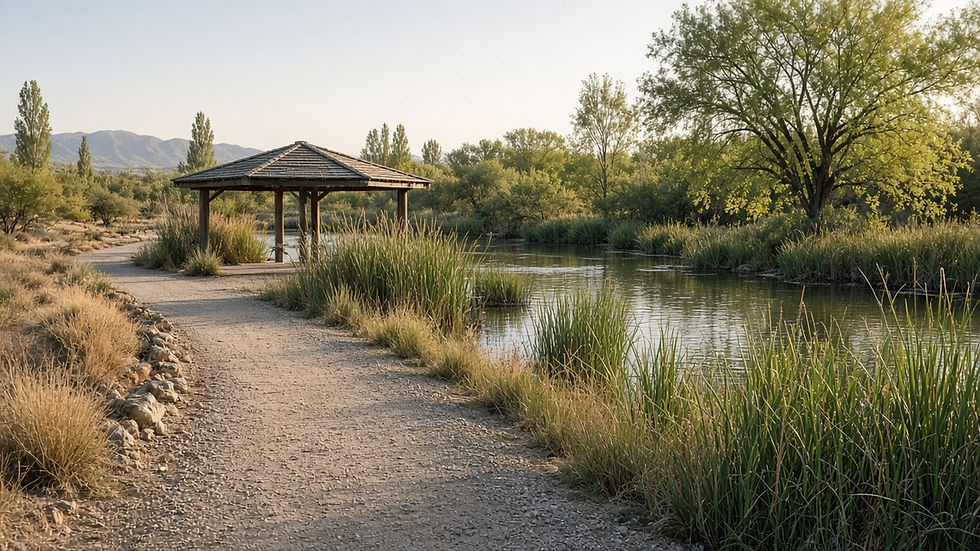
Right in the middle of Gilbert, between a library, a fire station, and a neighborhood full of block walls, there is a 110-acre wetland where great egrets stalk the shallows, ducks crowd the ponds, and hummingbirds zip between desert flowers. The Riparian Preserve at Water Ranch is one of the most surprising places in the East Valley, and October is the month it really comes alive.
The heat finally breaks, migrating birds start pouring in for the winter, and a morning walk around the ponds feels like a small vacation without leaving town. It is free, easy, and full of ideas for your own backyard. Here is everything you need to plan a fall visit, from the best trails and birding spots to the gardens, the observatory, and a few tips I wish I had known the first time.
What Makes the Riparian Preserve Special
The preserve started as a water project. Back in 1986, the Town of Gilbert committed to reusing all of its treated wastewater instead of letting it go to waste. In 1999 the town opened the Riparian Preserve, combining that water work with wildlife habitat, education, and recreation.
Of the 110 acres, about 70 acres are seven recharge basins. The town fills them on a rotating basis with treated water, which slowly soaks down into the aquifer and is stored for future use. In the meantime, those ponds create something incredibly rare in the Sonoran Desert: a lush, constantly changing wetland full of reeds, cattails, cottonwoods, willows, and mesquite.
Wildlife noticed. Roughly 300 bird species have been recorded at the preserve since it opened, and it has been recognized as part of the Arizona Important Bird Area program through the National Audubon Society and BirdLife International. On a good winter morning, you can see dozens of species in just a couple of hours.
You can read more about the history and the water story on the town's official page: https://www.gilbertaz.gov/departments/parks-and-recreation/riparian-preserve-at-water-ranch
Hours, Address, and Cost
Address: 2757 E. Guadalupe Rd., Gilbert, AZ 85234. The main parking is at the southeast corner of Guadalupe and Greenfield Roads, shared with the Southeast Regional Library.
Hours: The preserve is open from 5:30 a.m. to 10 p.m. Trails and habitat areas are open from dawn to dusk.
Cost: Free. There is no admission fee and parking is free.
Accessibility: Many of the main trails are wide, flat, and stroller and wheelchair friendly, though some are gravel and uneven in spots. The preserve is also an IBCCES Certified Autism Center and offers sensory guides online.
Restrooms: There are restrooms at the north and south ends of the preserve.
Before you go, it is always a good idea to check the official site for any trail closures, events, or schedule changes.
The Trails: Easy Loops Around the Ponds
More than 4.5 miles of trails wind through the preserve, connecting all seven ponds. There is no single required route. Most visitors simply wander in loops, pond to pond, for anywhere from 30 minutes to a couple of hours.
The trails are mostly flat, packed dirt and gravel, which makes them great for families, older walkers, and anyone who wants an easy nature fix without climbing a mountain. Interpretive signs along the way explain the birds, plants, and water system, so kids pick up a surprising amount without it feeling like a lesson.
A few highlights to look for:
The floating boardwalk across the north end of Water Ranch Lake, where you can watch fish and ducks right below your feet.
Wildlife viewing blinds at the edge of several ponds, which let you watch birds up close without spooking them.
The stream feature in one pond that mimics a seasonal desert wash.
The hilltop overlook near the observatory, with views across the ponds.
The preserve trails also connect to the larger Gilbert trail system, so cyclists and runners often pass through. Bikes are allowed on the trails and sidewalks, but walkers have the right of way.
Fall and Winter Birding at Its Best
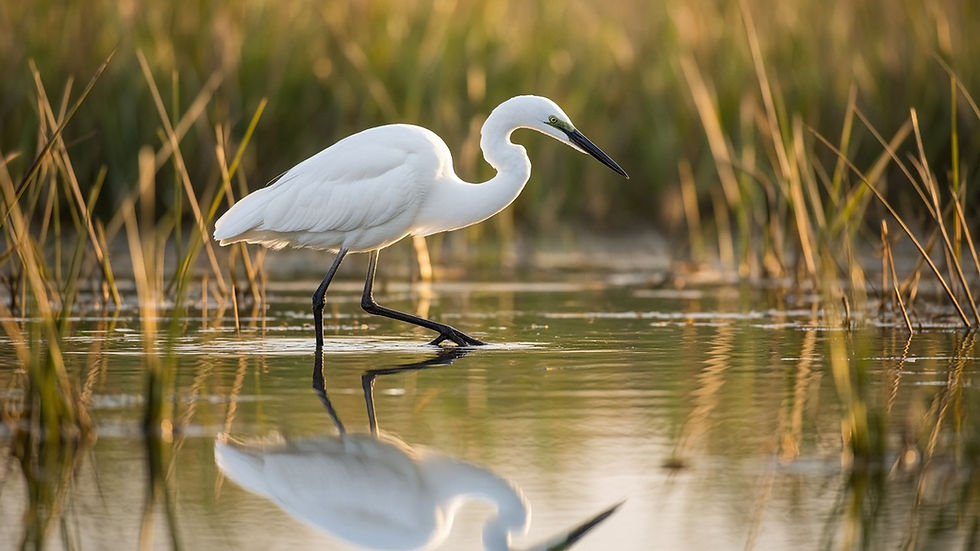
Birding is the number one reason people drive across the Valley to visit, and fall through spring is peak season. As the weather cools, waterfowl and shorebirds migrate south, and the ponds fill up with visitors from as far away as Canada and Alaska.
Depending on the week, you might see:
Ducks like northern shovelers, green-winged teal, ruddy ducks, American wigeon, and cinnamon teal.
Wading birds like great egrets, snowy egrets, great blue herons, and black-crowned night-herons.
Shorebirds like black-necked stilts, killdeer, and American avocets when water levels are just right.
Desert birds like Gambel's quail, Abert's towhees, verdins, curve-billed thrashers, and Anna's hummingbirds.
Raptors like Cooper's hawks, red-tailed hawks, and American kestrels.
Early morning is best, when the light is soft and the birds are most active. The water levels in each pond change as the town rotates its recharge cycle, so different ponds may be busy on different days. Walk the whole loop and you will find the action.
Bring binoculars if you have them. Even an inexpensive pair makes a huge difference when a bird is across the pond. Something like a compact 8x42 pair is perfect for beginners: https://www.amazon.com/s?k=8x42+binoculars+birding&tag=greenthumbh0a-20
For a guided experience, Desert Rivers Audubon leads free family bird walks at the preserve on the third Saturday of each month from October through March, from 8 a.m. to noon at the Dragonfly Ramada. They even loan binoculars and send small groups out with experienced birders. This year, the first one falls on October 17. It is worth confirming the schedule on the town's birding page before you go: https://www.gilbertaz.gov/departments/parks-and-recreation/riparian-preserve-at-water-ranch/birds
Gardens Worth Studying for Your Own Yard
As a gardener, this is the part I love most. The preserve is full of mature native and desert-adapted plants, and walking it is like a free class in what actually thrives in our heat.
Look for the ethnobotanical garden, which highlights plants that native peoples of the Sonoran Desert have used for food, fiber, and medicine. It is a great place to see things like mesquite, agave, saltbush, and desert grasses up close.
There are also pollinator gardens, including a hummingbird garden and a butterfly garden. If you are planning a fall planting in your own yard, take photos and notes. Many of the flowering shrubs and perennials you see here, like penstemon, salvia, desert milkweed, and chuparosa, are easy to find at local nurseries and get planted best right now in October.
Fall is also the start of planting season for native trees and shrubs in the low desert, so a visit here is a great way to pick favorites before you head to a nursery plant sale.
Stargazing at the Observatory
The preserve is also home to the Gilbert Rotary Centennial Observatory, run by the East Valley Astronomy Club. It houses a large computerized telescope for nighttime viewing and a solar telescope for safely looking at the sun.
The club typically hosts free public viewing on Saturday evenings from sunset until about 9:30 p.m., weather permitting. Cooler fall evenings make it an easy add-on after an afternoon walk, especially for kids. Schedules can change, so check with the East Valley Astronomy Club before you go.
Fishing, Camping, and Things for Kids
Fishing: Water Ranch Lake, the five-acre lake next to the library, is part of the Arizona Game and Fish Department's urban fishing program. Anglers need a valid Arizona fishing license. Fishing is only allowed in the lake, never in the recharge ponds.
Kids: There is a unique children's play area and a dinosaur dig site, where kids can dig for replica fossils. Between the ducks, turtles, and fish in the lake, most kids are happy for hours.
Camping: The preserve even has three small reservable tent campsites, a fun way to give kids a first camping trip without driving to the mountains. Reservations are required through the town.
Picnics: Reservable ramadas and plenty of benches make it easy to bring a picnic. The library next door is a nice bonus too.
When to Go and What to Bring
October through April is the sweet spot. Mornings are cool, afternoons are pleasant, and the winter birds settle in by November. December and January are often the busiest months for ducks. By May, the heat returns, and summer visits are best kept to the first hour after sunrise.
Weekday mornings are the quietest. Weekends bring more families, joggers, and photographers, but the preserve is big enough that it rarely feels crowded once you are past the first pond.
Here is a simple checklist for a fall morning visit:
Binoculars and a phone or small field guide for identifying birds
A refillable water bottle, a hat, and sunscreen
Comfortable walking shoes for gravel paths
A light jacket for early mornings, which can be surprisingly chilly in November
A notebook or camera to record the plants you want for your own garden
A leash and bags if you are bringing the dog
A free bird list and visitor map are available on the town's website, which makes it easy to plan a route and keep track of what you see.
Rules and Tips for a Great Visit
A few things to know before you go:
Stay on trails and in public areas like viewing blinds. Give wildlife and nests plenty of space.
Dogs are welcome on a leash no longer than six feet. Clean up after them. Bags are provided.
Keep out of the ponds. The recharge basins contain treated reclaimed water meant for wildlife. Keep kids and dogs out of them, wet or dry.
Do not feed the ducks or other wildlife. Bread is bad for birds and causes problems in the ponds.
Bring water and sun protection. Even in October, the Arizona sun is strong, and shade can be patchy on some trails.
Come early or late. Mornings are best for birds, and the hour before sunset is beautiful for photos.
Make a Morning of It
A perfect fall morning at the Riparian Preserve looks something like this: arrive around sunrise, walk a slow loop around all seven ponds with binoculars, spend a few minutes in a viewing blind, wander through the hummingbird and butterfly gardens, and finish at the lake boardwalk watching the ducks. If you have kids, end at the dino dig. If it is a Saturday, come back after dinner for a peek through the telescope.
The Riparian Preserve is proof that a desert city can make room for nature, and it is a reminder that every backyard can be part of that habitat too. Plant a few native flowers this fall, add a little water for birds, and you might be surprised who shows up. Then go see the real thing in Gilbert, and tell us what birds you spot.


Comments