


Growing Swiss Chard in Arizona: Rainbow Greens for Your Fall and Winter Garden

If I could only grow one leafy green in the Arizona low desert, it would probably be Swiss chard. It is tough, it is pretty, and it keeps going long after lettuce and spinach give up. One October planting can feed you from Thanksgiving into late spring, and a bed of rainbow stems glowing in the low winter sun is one of the best-looking things you can grow.
Chard is basically a beet bred for its leaves instead of its root, which explains how the seeds work and why it handles our desert seasons so well. Here is what I have learned about growing it in Arizona, from timing and soil prep to watering, harvesting, pests and cooking.
Why Swiss Chard Is Perfect for Arizona Gardens
Most cool-season greens are a little fragile in the desert. Chard is more forgiving on all fronts.
It tolerates heat better than other greens. Chard prefers cool weather, but it does not instantly bolt when we get a warm spell in February or March. Spring plants often keep producing into May.
It handles light frost. A typical Valley frost night in December or January might nip the tips of the leaves, but established plants bounce back quickly.
It is a cut-and-come-again crop. You harvest the outer leaves and the plant keeps making new ones from the center. One plant can give you dozens of leaves over the season.
It is fine with our soil. Chard tolerates slightly alkaline soil better than spinach does, especially if you work in plenty of compost.
In the high desert, chard is more of a spring through fall crop. For Phoenix, Tucson, Yuma and the rest of the low desert, fall is prime time.
When to Plant Swiss Chard in the Low Desert
In the low desert, you can sow chard from about mid-September through February. My favorite window is late September through October. The soil is still warm enough for fast germination, the days are cooling off, and the plants get established before the shortest days of December.
Chard seed germinates best in soil roughly between 50 and 85 degrees. If you plant in early September while the soil is still blazing hot, germination can be spotty, so shade the bed or wait until nights start dipping into the 60s.
A few timing tips:
Sow a second round in January or February. A fresh planting in late winter gives you young, tender plants for spring when the fall plants are getting tired.
Do not worry about bolting until spring. Chard is a biennial, so it usually waits until it has been through a winter and the days get long before it sends up a flower stalk.
Choosing the Best Swiss Chard Varieties
All chard tastes mild and slightly earthy like beet greens, but varieties differ in color, texture and toughness. Good picks for Arizona:
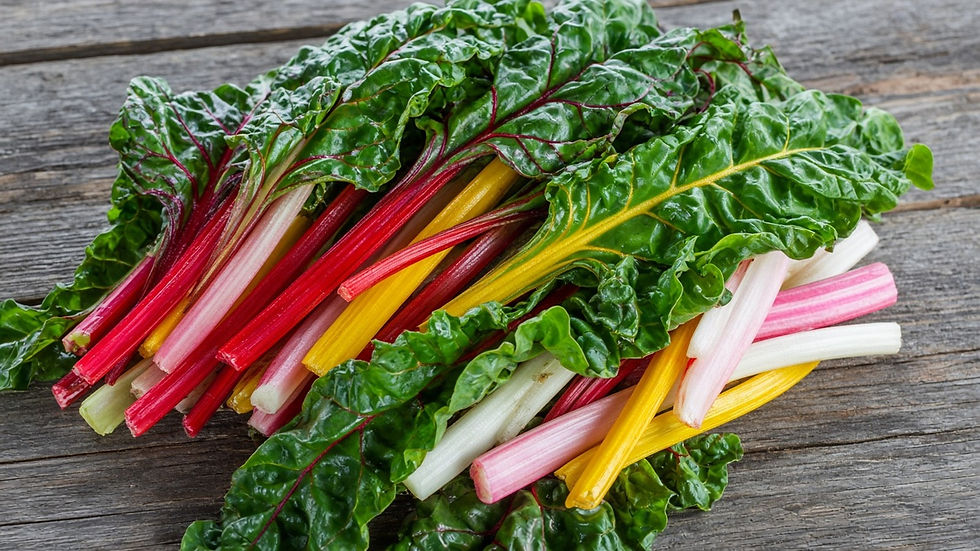
Bright Lights: The classic rainbow mix. You get red, pink, orange, yellow, gold and white stems in one packet. It is a little less vigorous than the green types, but the colors are worth it.
Fordhook Giant: A big, dark green chard with thick white stems and crinkled leaves. It is one of the most heat tolerant and productive varieties, and it is my go-to if I want maximum harvest.
Ruby Red (also sold as Rhubarb chard): Deep red stems and red-veined leaves. It looks fantastic and holds up well.
Lucullus: A light green, savoyed leaf with white stems. Very reliable and tender.
If you are not sure, grab a rainbow mix and a white-stemmed type; the white types tend to be more productive. A pack of rainbow chard seed goes a long way, and you can find plenty of options here: https://www.amazon.com/s?k=rainbow+swiss+chard+seeds&tag=greenthumbh0a-20
Preparing the Bed
Chard is not a deep root crop like carrots, but it is a heavy feeder that produces a lot of leaves over a long season. Good soil pays off.
Here is how I prep a bed for fall chard:
Loosen the soil about 8 to 10 inches deep with a garden fork.
Mix in 2 to 3 inches of finished compost. In desert soil, compost is the single best thing you can add.
Add a balanced organic fertilizer at the rate on the label, or a scoop of aged manure.
Rake the surface smooth and water the bed deeply a day or two before planting so the soil is evenly moist.
Raised beds work great for chard. Containers work too if they are at least 10 to 12 inches deep, with one plant per 3-gallon pot.
How to Plant Swiss Chard Seeds
Here is a fun fact that trips up a lot of new gardeners: what looks like a single chard seed is actually a little corky cluster that holds two to four seeds. Beets work the same way. That means you will usually get several seedlings sprouting from each spot, and you will need to thin.
Sowing
Plant seeds about half an inch deep and roughly 4 inches apart in rows 12 to 18 inches apart. Soaking the seeds in water for a few hours before planting softens the corky coating and can speed up germination.
Germination
Keep the top inch of soil evenly moist until the seedlings come up, which usually takes 5 to 10 days in warm fall soil. Our dry air can crust the surface fast, so a light sprinkle every day or a piece of shade cloth for the first week helps a lot.
Thinning
Once seedlings have a couple of true leaves, thin to one strong plant every 8 to 12 inches. Do not toss the thinnings; baby chard leaves are great in salads.
Watering Swiss Chard in the Desert
Chard has big, juicy leaves, and consistent moisture is the key to keeping them tender and sweet. When chard dries out, the leaves get tough and the plant may bolt early.
In fall and winter, I water deeply about two to three times a week in a raised bed. In December and January, once or twice a week may be enough. By March and April, you may need every other day.
The finger test is still the best tool. Stick your finger into the soil about two inches deep. If it is dry, water. If it is still moist, wait a day.
Drip irrigation keeps the leaves dry, which helps prevent leaf spot. A 2 to 3 inch layer of mulch, like straw or shredded leaves, helps hold moisture and keeps the soil temperature more even.
Feeding Your Chard
Because you are harvesting leaves all season, chard appreciates a little extra nitrogen. I side-dress with compost or a balanced organic fertilizer about once a month. A diluted fish emulsion every few weeks also works well and gives the plants a quick boost after a big harvest.
Pale, yellowish leaves usually mean the plant is hungry.
Harvesting Swiss Chard
This is where chard really earns its place in the garden. You can start picking baby leaves about 30 days after sowing, and full-size leaves are ready in about 50 to 60 days.
How to Harvest
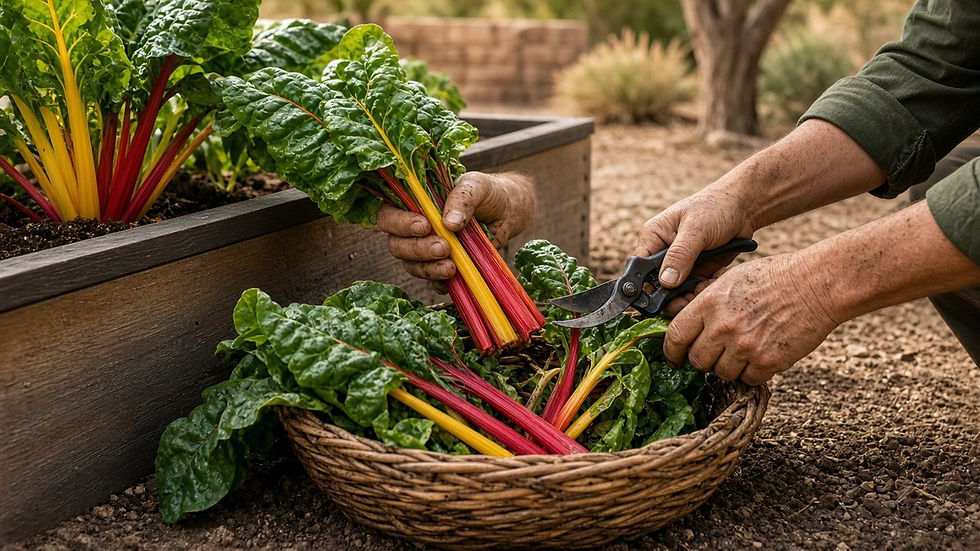
Always pick from the outside of the plant. Grab the outer stems near the base and either twist them off or cut them about an inch above the soil with a sharp knife. Leave the center of the plant alone. That is where new leaves come from.
Try to take no more than a third of the plant at a time.
When to Harvest
Pick in the morning when the leaves are crisp and full of water. In the low desert, a healthy plant can give you a handful of leaves every week or so from late November through April or May.
Storing Chard
Chard does not keep as long as kale. Wrap unwashed leaves loosely in a damp towel, put them in a bag, and store them in the fridge for up to about a week. If the leaves wilt, a quick soak in cold water perks them right back up.
Common Swiss Chard Problems in Arizona
Chard is about as low-maintenance as greens get, but a few issues show up.
Leaf miners: Tiny fly larvae tunnel between the layers of the leaf, leaving pale, winding trails or blotches. Pick off and toss affected leaves, and use a lightweight row cover in spring when the adult flies are active. Our DIY row cover hoops guide shows an easy way to set that up: https://www.greenthumbhobbies.com/post/diy-row-cover-hoops
Aphids: They cluster on the undersides of leaves, especially in late winter. A strong spray of water from the hose knocks them off, and ladybugs usually show up to help.
Birds: Sparrows and finches nibble young seedlings. Netting or a row cover for the first few weeks solves it.
Leaf spot: Small round brown spots with reddish edges are usually a fungal leaf spot. Water at the soil level, give plants room for airflow, and remove spotted leaves.
Bolting: In late spring, as the days get long and hot, chard may send up a tall flower stalk. The leaves get more bitter once that happens. You can let a plant or two flower for the bees and save seed, or pull them and plant something heat loving.
Keeping Chard Going Into Spring and Summer
One of the best tricks for chard in the desert is stretching the harvest. When temperatures start climbing in April, give your chard some afternoon shade. A 30 to 40 percent shade cloth works well, or you can plant chard on the east side of taller crops like tomatoes or corn so it gets shade in the afternoon.
Keep the soil mulched and moist, keep harvesting outer leaves, and cut off flower stalks as soon as you see them. Some plants will keep producing into June.
Companion Planting with Chard
Chard grows well alongside onions, garlic, lettuce, radishes and cabbage family crops. Garlic is a natural partner since both go in during fall. Our garlic guide covers timing that lines up perfectly: https://www.greenthumbhobbies.com/post/garlic-arizona
Since chard is a close cousin of beets, rotate them to a new spot each year. If you are planning a full fall greens and roots bed, our beets guide is a good companion read: https://www.greenthumbhobbies.com/post/beets-arizona
How to Cook Swiss Chard
The leaves wilt quickly like spinach, while the stems need a few extra minutes, like celery. A few easy ideas:
Quick saute: Chop the stems and saute them in olive oil with garlic for a few minutes. Add the chopped leaves and cook until just wilted. Finish with a squeeze of lemon and a pinch of salt.
Soups and stews: Toss chopped chard into minestrone, white bean soup or lentil soup in the last few minutes of cooking.
Pickled stems: Rainbow stems make beautiful quick pickles. Slice them, pack them in a jar and pour over a hot vinegar brine with sugar, salt and garlic.
Chard is packed with vitamins K, A and C. Like spinach, it contains oxalates.
Give Chard a Spot This Fall
If you have never grown Swiss chard, this is the year to try it. A few plants will keep your kitchen stocked with greens for months. Grab a seed packet, prep a sunny spot and get those seeds in the ground while the weather is perfect.


Comments